Flying Home With an Autistic Child
We moved countries to give our son one language. Then we had to fly him back across the world. What those trips taught us.
Start Here is a practical first-step guide for parents and caregivers who are beginning to understand autism, especially after a diagnosis or when early questions arise.
Start Here is a practical first-step guide for parents and caregivers who are beginning to understand autism, especially after a diagnosis or when early questions arise.
We moved countries to give our son one language. Then we had to fly him back across the world. What those trips taught us.
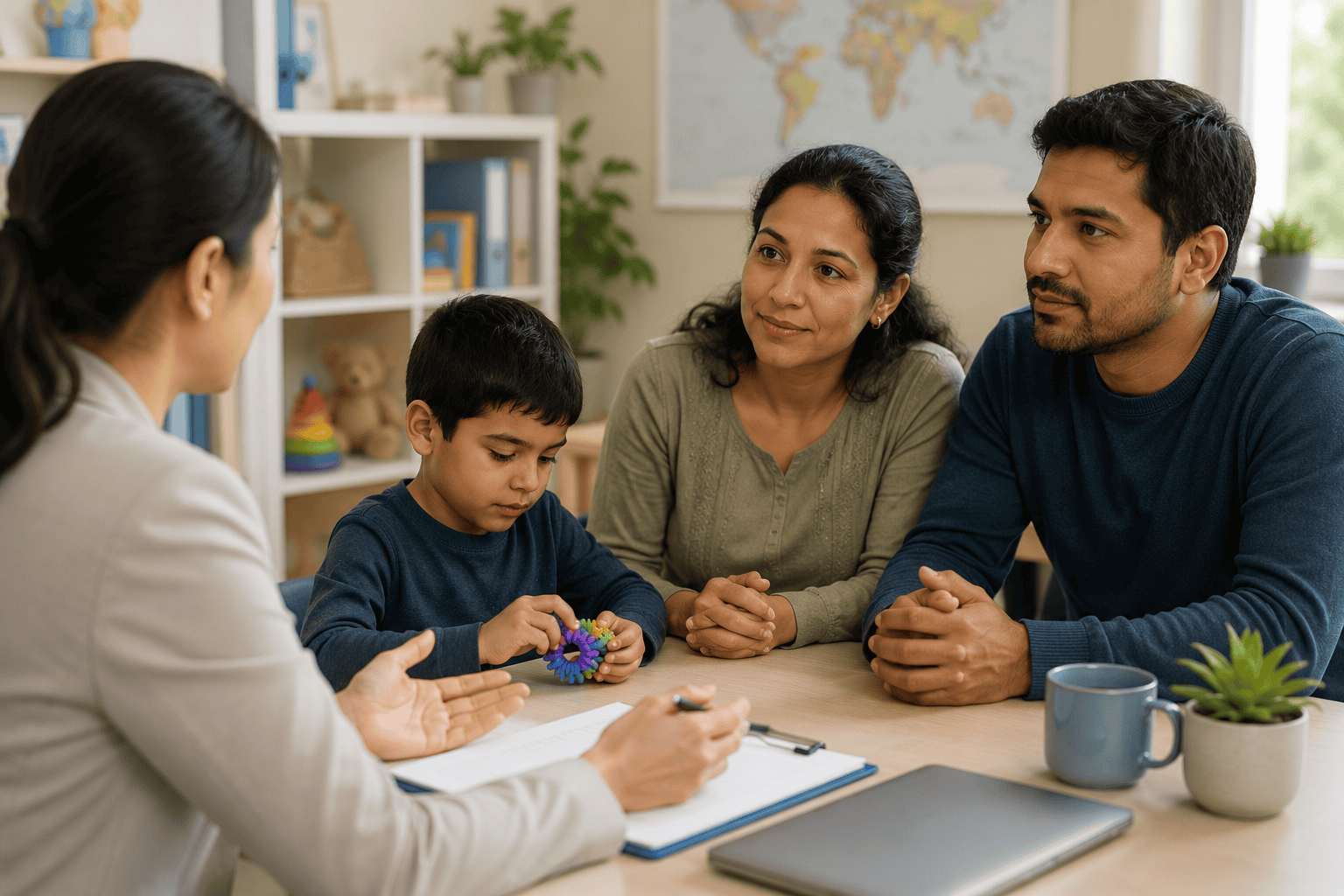
Getting your child assessed for autism is hard enough without a language barrier. A plain, practical guide to interpreters, preparing, and asking for help.
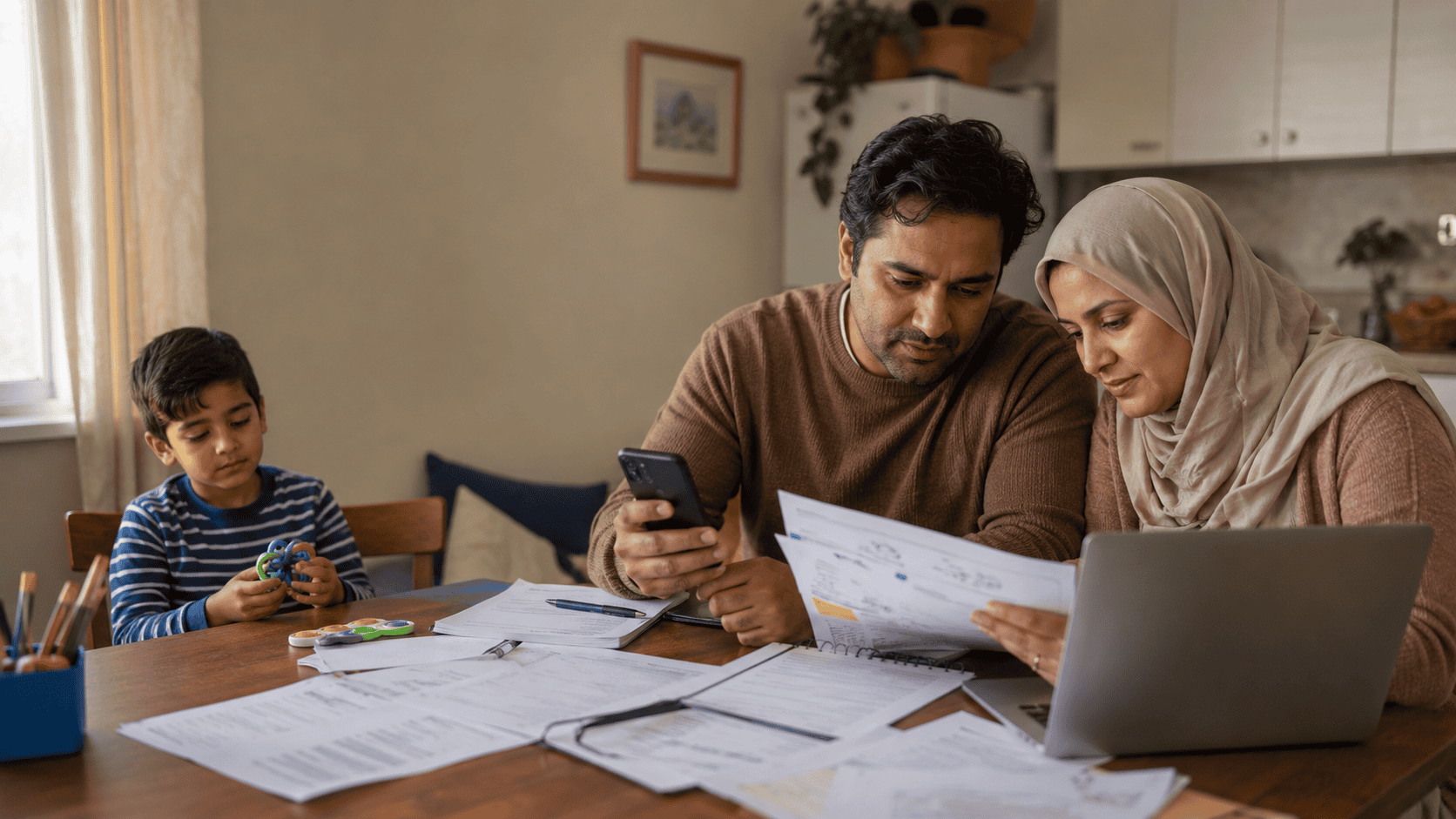
Raising an autistic child in a new country means learning a diagnosis and a system at once. A warm, practical starting point for newcomer families.

A waitlist feels like dead time, but it is not. The right small steps now make the day calmer and the first appointment far more useful.
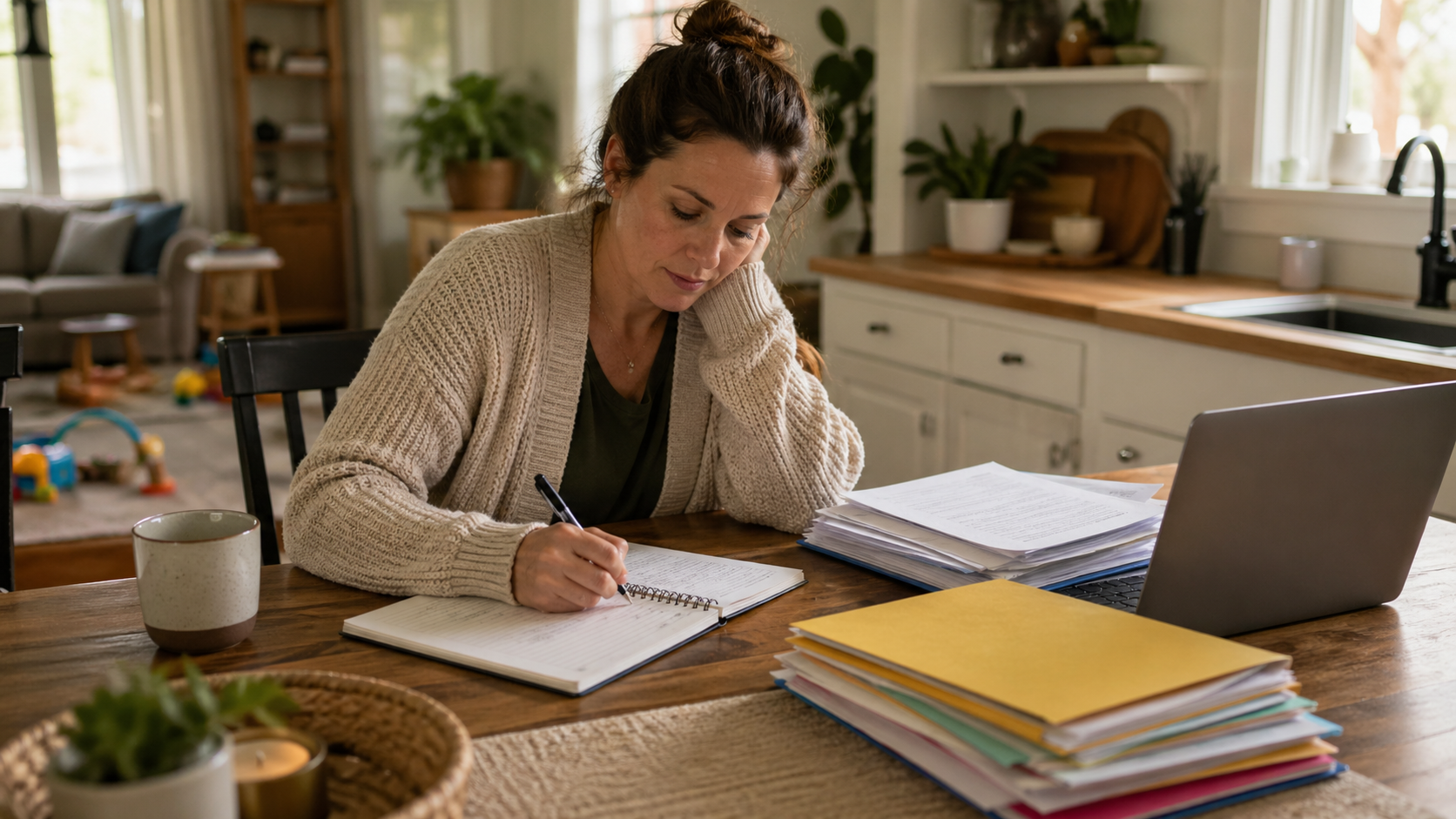
You will not think of every question at once, and you do not need to. Here are the ones worth asking, sorted by who can actually answer them.
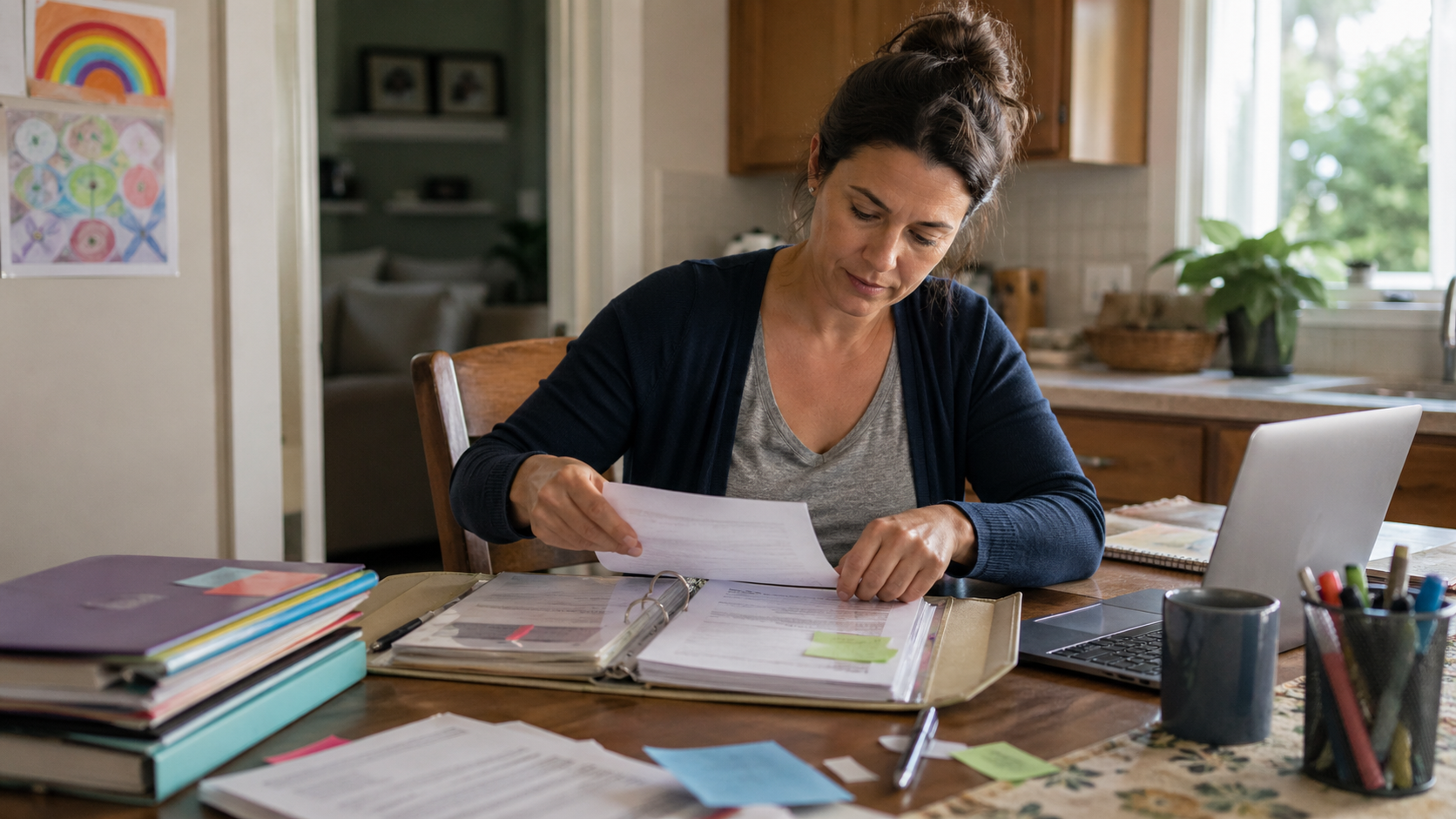
When the next form or meeting asks for information you already have, one organized binder turns starting from scratch into reaching for a tab.

The first month is for orientation, not solutions. Here is a calm, week-by-week path through it, and permission to leave the rest for later.

The diagnosis hands you a new word for your child. It does not change who they are, and you do not have to understand all of it this week.

What neurodiversity really means for your autistic child, and how it lets support and respect sit side by side instead of pulling against each other.