How to Spot a Meltdown Before It Happens
A meltdown almost never comes out of nowhere. It has a runway, and once you learn to read it, you can often step in before overwhelm takes over.
Everyday items that can help with comfort, focus, and self-regulation at home, school, and on the go — think fidgets, chewable jewellery, weighted lap pads, noise-reducing headphones, and tactile toys. These are practical supports families often find useful for daily routines, not treatments or therapy.
Everyday items that can help with comfort, focus, and self-regulation at home, school, and on the go — think fidgets, chewable jewellery, weighted lap pads, noise-reducing headphones, and tactile toys. These are practical supports families often find useful for daily routines, not treatments or therapy.
A meltdown almost never comes out of nowhere. It has a runway, and once you learn to read it, you can often step in before overwhelm takes over.

The hardest part is not always the meltdown itself. It is the fragile hour afterward, when what your child needs most is rest, safety, and you.

A tantrum is a child wanting something. A meltdown is a child who has run out of room to cope. Telling them apart changed how I respond.
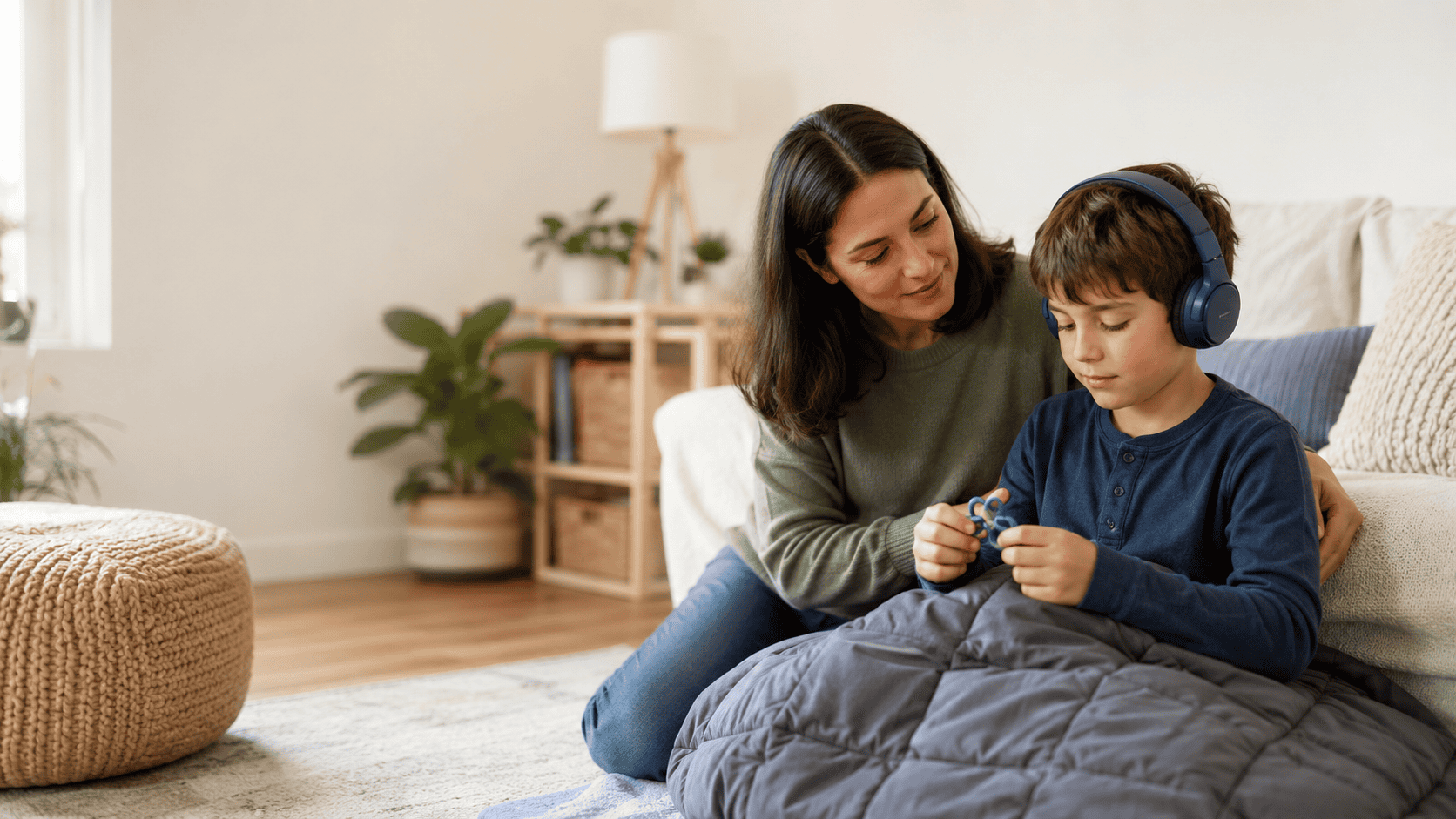
How sound, light, touch, and movement shape your autistic child’s world, and practical ways to make daily life calmer.
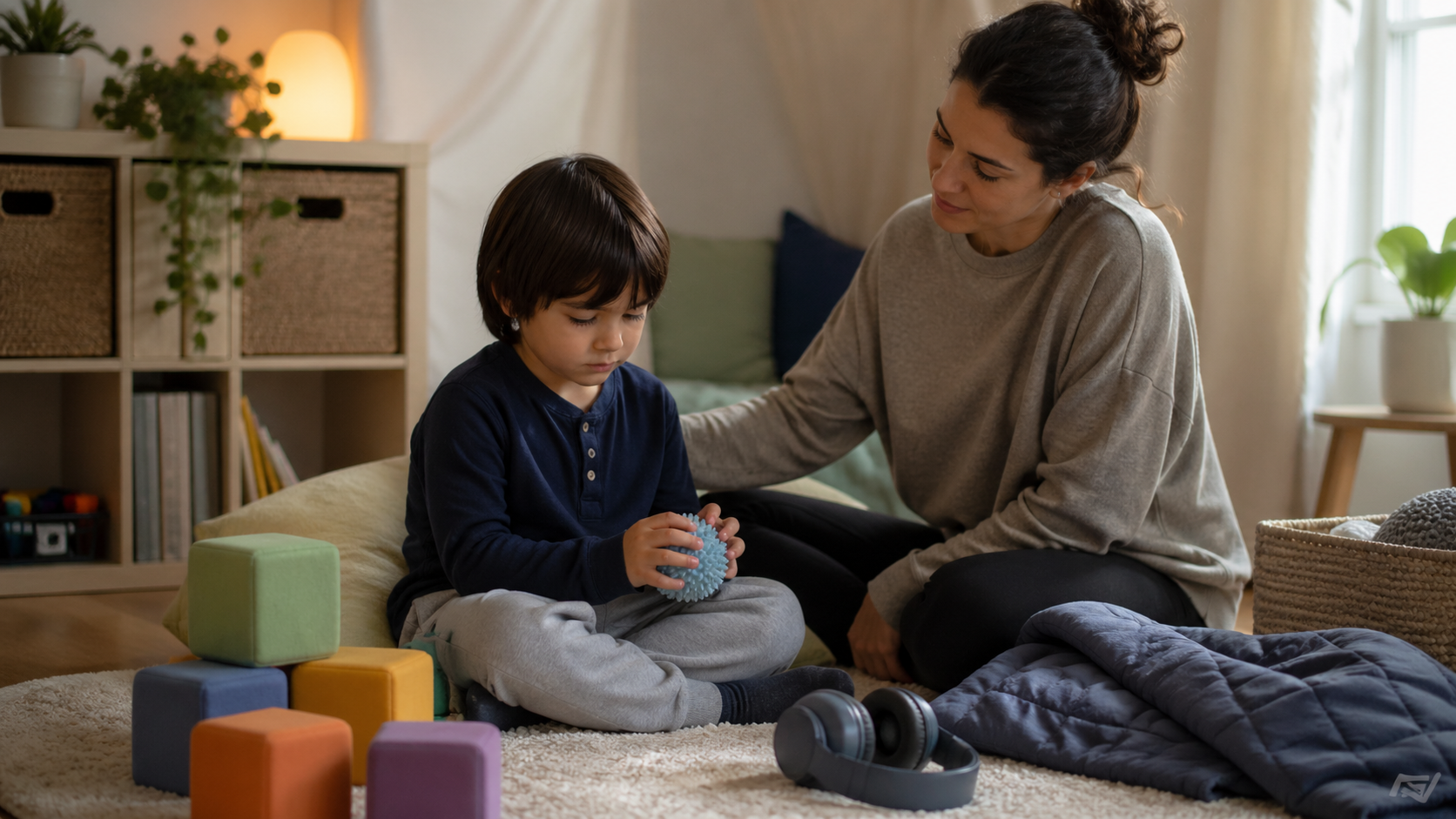
Why everyday sounds, lights, and textures can overwhelm an autistic child, what hypersensitivity and hyposensitivity look like, and how to spot the signs.
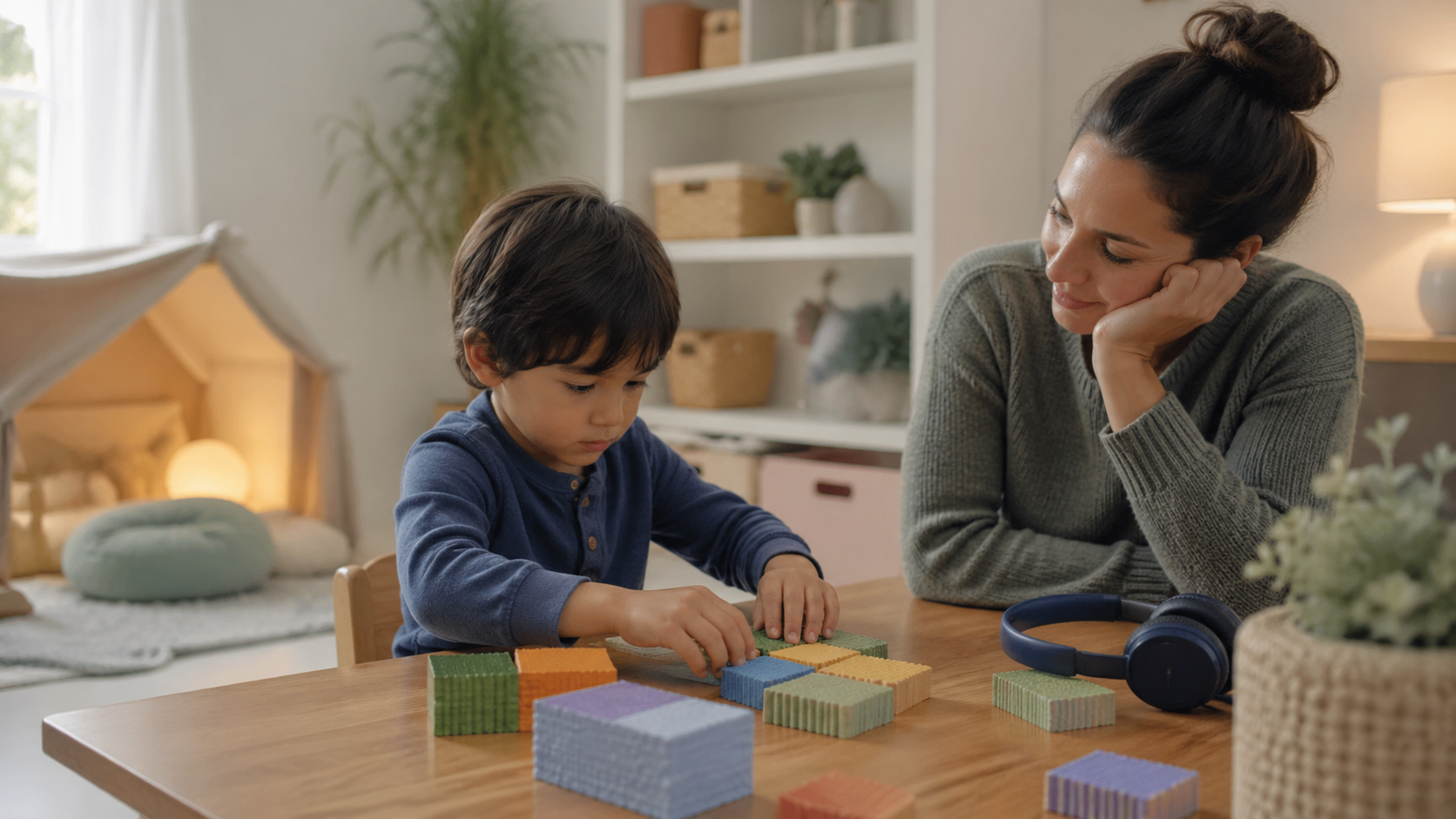
How to map what your autistic child seeks, avoids, and barely notices through everyday observation, with a template you can copy and share.
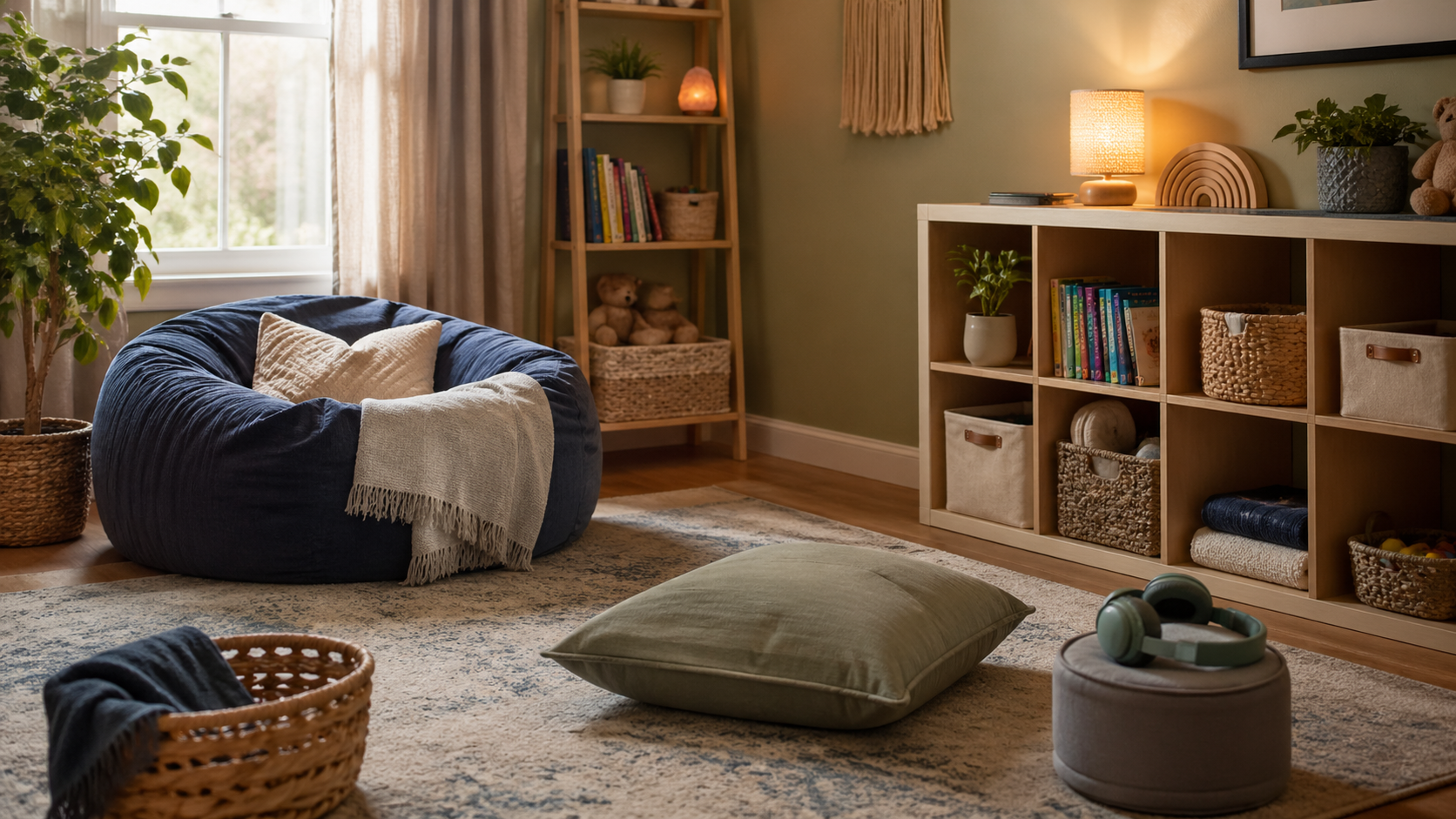
An autism-friendly home is not a therapy room or a pricey makeover. It is a handful of small changes that make daily life calmer for your child and the whole family.
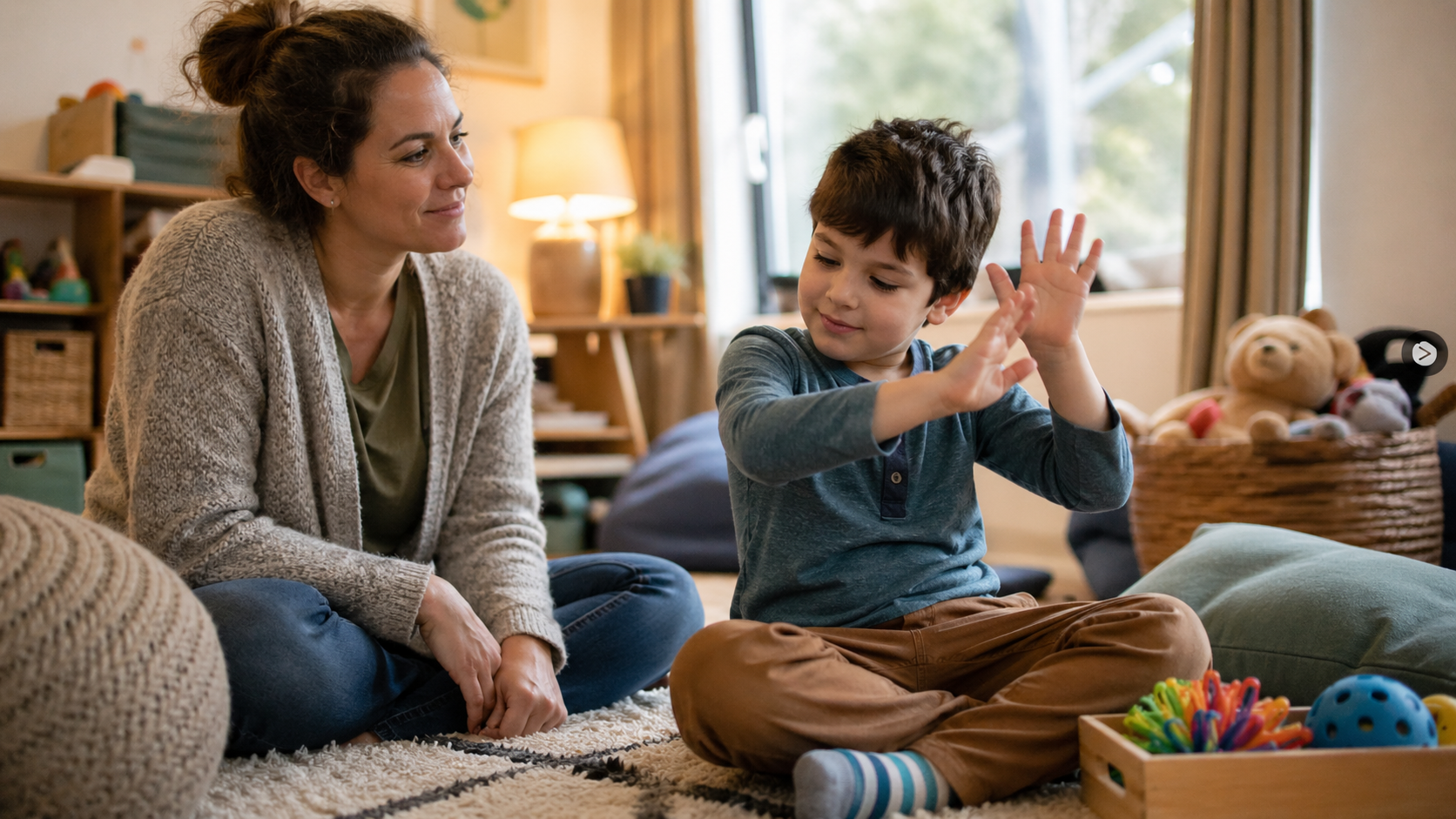
What stimming is, why autistic children stim, and how to support safe self-regulation with respect instead of trying to stop it.